UNIONIZE
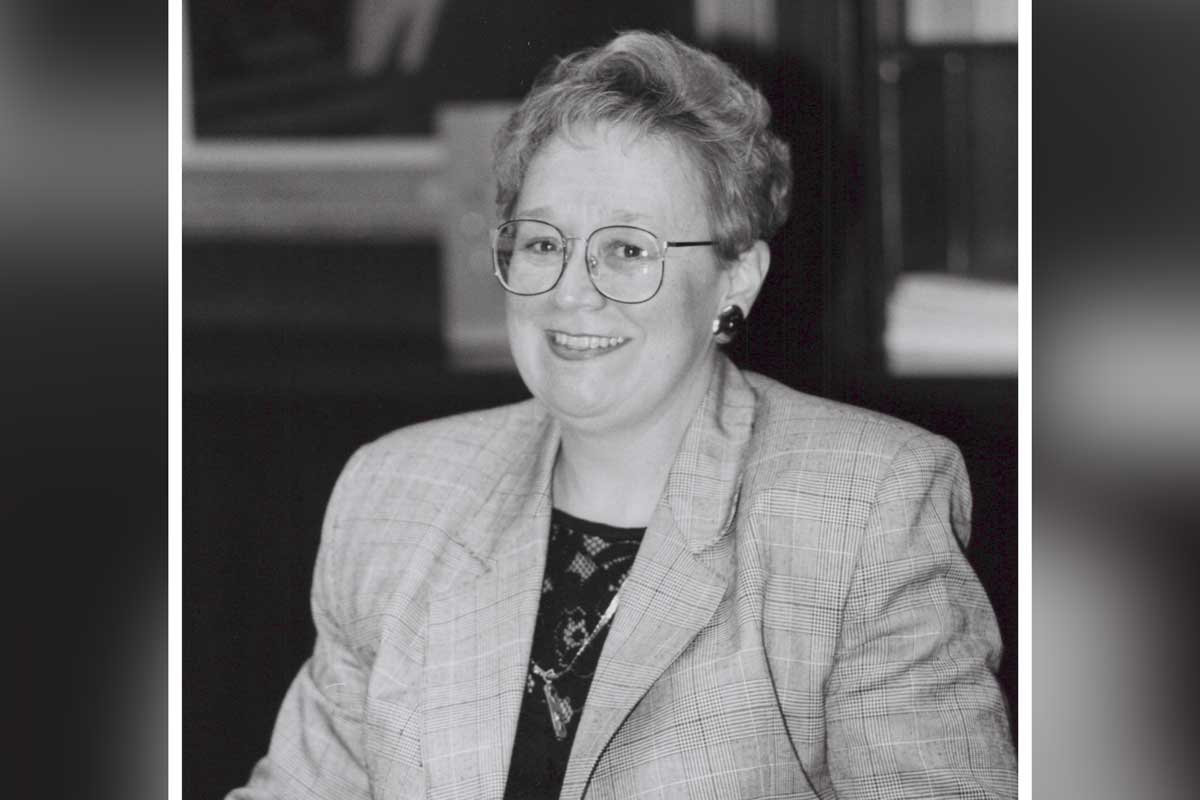
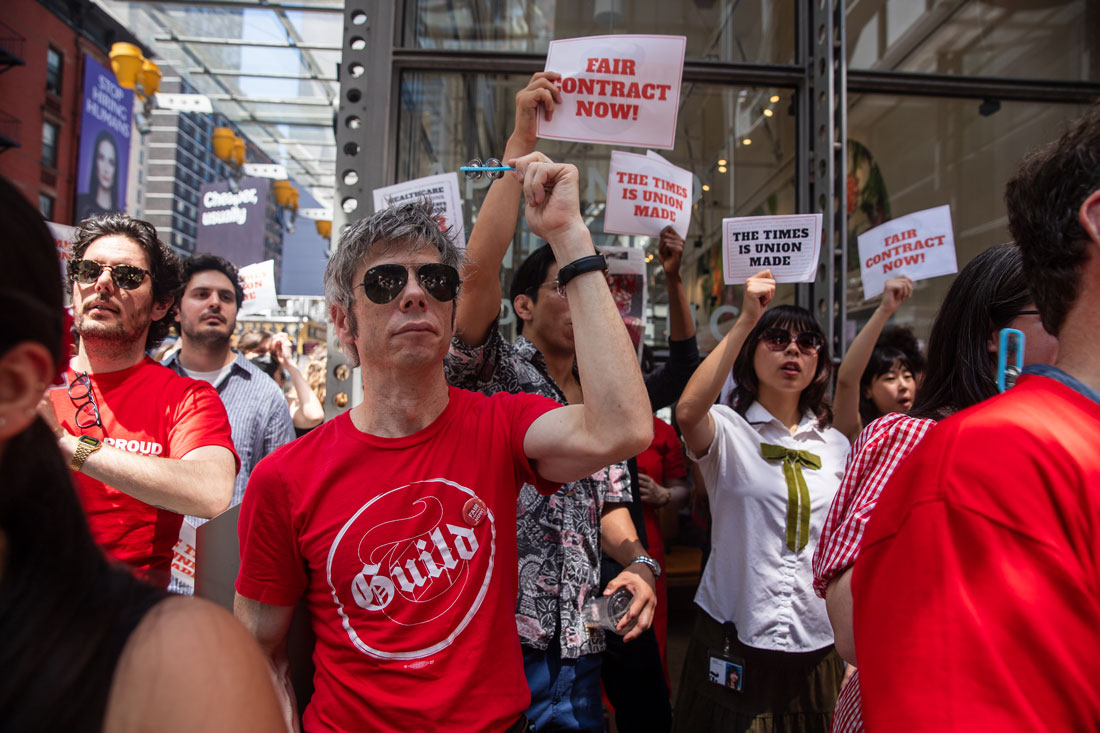
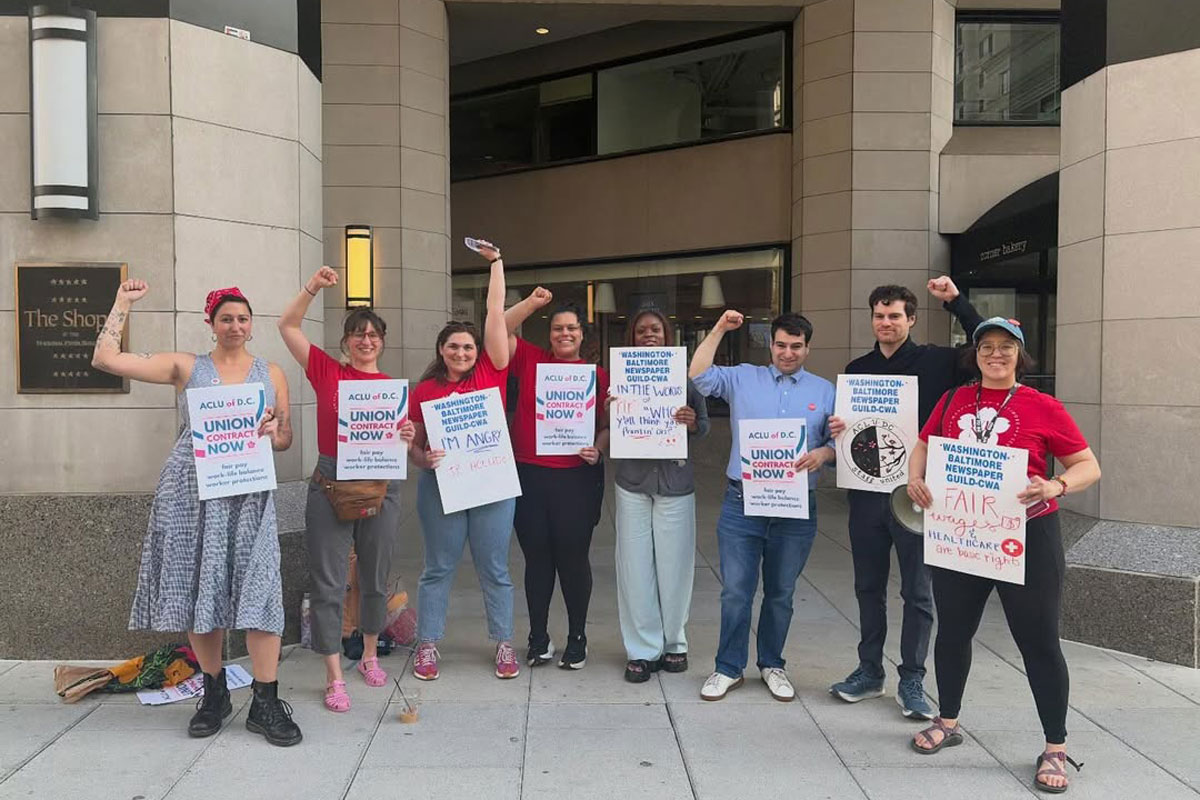
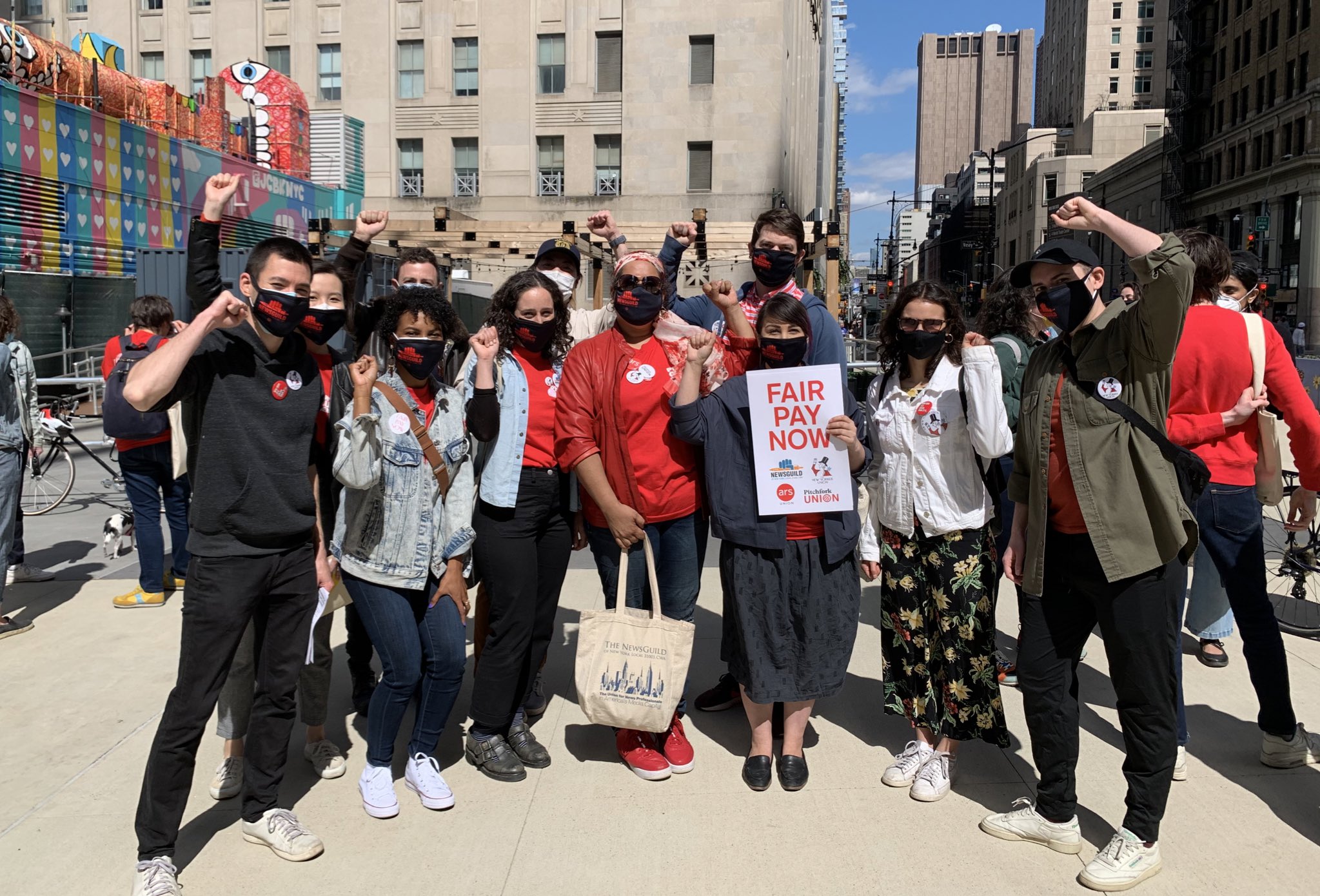
Thousands of journalists and media workers have organized and joined The NewsGuild in the past few years. They’re doing it to save their jobs and our democracy.
Sponsor a Virunga National Park.
Fusce a ante nisl, vitae pretium enim. Nunc imperdiet iaculis augue nec porta! Phasellus congue sapien eget libero ornare lobortis. Aliquam sit amet nulla velit, in posuere tellus. Nulla ut orci lorem.
SPONSOR A REAL PROJECT Watch a movie
From Virunga Movie Fusce a ante nisl, vitae pretium enim. Nunc imperdiet iaculis augue nec porta! Phasellus congue sapien eget libero ornare lobortis. Aliquam sit amet nulla velit, in posuere tellus. Nulla ut orci lorem. Donec in lectus orci, sed dignissim lacus. Praesent lectus diam, sodales at commodo sodales, hendrerit sit amet justo. Morbi a risus urna. Ut in lorem at nisi ultricies semper? Mauris imperdiet sem euismod ligula pulvinar hendrerit. Ut nisi nulla, consequat iaculis mollis non, fringilla ut justo. Vestibulum pharetra molestie fringilla. Donec elementum ligula sed turpis commodo tristique. Suspendisse cursus posuere eros at auctor. Nulla facilisi. Sed vitae aliquam orci. portfolio3 Ut lobortis, felis sed viverra egestas, sem velit dapibus maur. Fusce a ante nisl, vitae pretium enim. Nunc imperdiet iaculis augue nec porta! Phasellus congue sapien eget libero ornare lobortis. Aliquam sit amet nulla velit, in posuere tellus portfolio5. Nulla ut orci lorem. Donec in lectus orci, sed dignissim lacus. Praesent lectus diam, sodales at commodo sodales, hendrerit sit amet justo. Morbi a risus urna. Ut in lorem at nisi ultricies semper? Mauris imperdiet sem euismod ligula pulvinar hendrerit. Praesent lectus diam, sodales at commodo sodales, hendrerit sit amet justo. Morbi a risus urna. Ut in lorem at nisi ultricies semper? Mauris imperdiet sem euismod ligula pulvinar hendrerit. Ut nisi nulla, consequat iaculis mollis non, fringilla ut justo. Vestibulum pharetra molestie fringilla.
From director Ajojd and executive producer Lioad.